Urban-rural integration in the Northern Metropolis drives tourism and the economy
|
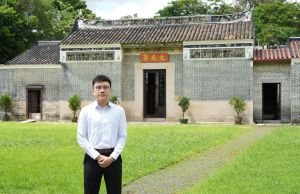
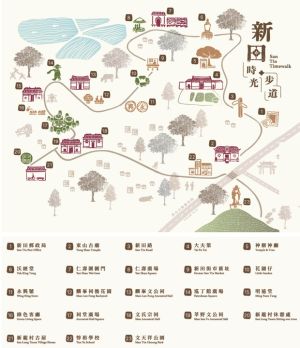
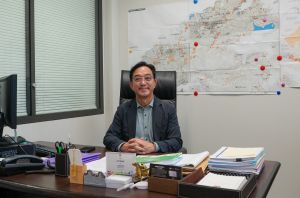
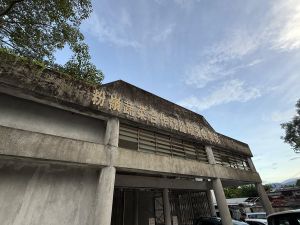
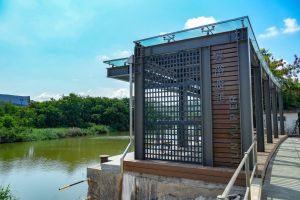
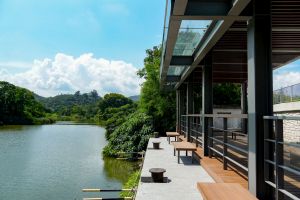
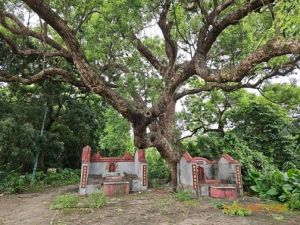
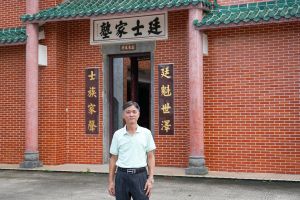
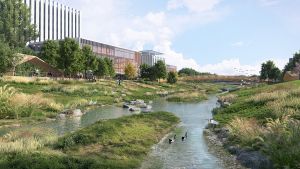
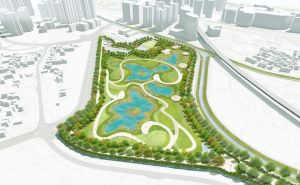
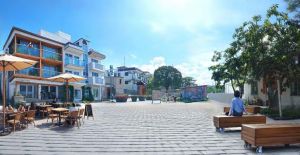
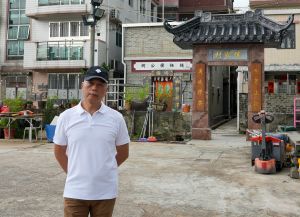
The traditional rural townships in the Northern Metropolis (NM) have rich historical and cultural resources, as well as precious rural scenery. It was proposed in the Budget Speech this year that $200 million would be allocated for launching the “NM Urban-rural Integration Fund” as a pilot scheme (the Pilot Scheme), aimed at encouraging non-governmental organisations (NGOs) and relevant bodies to take forward rural tourism projects and bring economic vitality to rural villages. We also plan to launch a number of specific measures to promote urban-rural integration. To this end, I have invited a colleague from the Northern Metropolis Co-ordination Office (NMCO) of the Development Bureau to introduce these measures and the Pilot Scheme, and several village representatives to share their views on the measures. Formulating the Guidelines on Promoting Urban-rural Integration in the NM and establishing five major objectives Mr LIU Chiu-wing, Assistant Secretary of the NMCO, says that the Government commissioned a consultancy study in end 2024 and is formulating the Guidelines on Promoting Urban-rural Integration in the NM for the development of the NM. After extensive consultations and site visits, the following five major objectives have been established: (I) Bringing improvements: Improving the living quality and economy of villages while transforming the NM into a metropolitan area with diverse appeal; (II) Connection and interaction: Facilitating the interaction between urban and rural areas to promote mutual respect; (III) Promotion and continuation: Enabling the continuation of cultural traditions of villages in the New Territories, with a view to consolidating their value in society; (IV) Shared participation: Achieving shared benefits and a win-win outcome through joint efforts of the Government and stakeholders; and (V) Sustainability: Reflecting the respective characters of villages by natural resources with a view to achieving sustainable developments. Implementing measures to promote urban-rural integration Revitalising historic buildings and establishing heritage trails To attain these objectives, the Government proposes to implement a number of specific measures, including revitalising historic buildings and establishing heritage trails. The Civil Engineering and Development Department (CEDD) is planning the “San Tin Timewalk” in San Tin Technopole, linking up scenic spots such as Tai Fu Tai and Man Ancestral Hall. It also plans to revitalise the 70-year-old Lung Yeuk Tau Vegetable Collection Centre of the Fanling Vegetables Marketing Co-operative Society. Other work that will soon be completed or will be carried out includes revitalisation of the Yeung Yuen in the Kwu Tung North New Development Area (NDA), and restoration and enhancement of the Tun Yu Pier next to the Western Connection Road of the Development of the Loop. Mr LIU hopes that the projects implemented by the Government will set an example to encourage relevant bodies to apply for funding under the proposed Pilot Scheme to restore and revitalise some distinctive privately-owned village buildings, with a view to promoting rural tourism and urban-rural integration. Mr Kenneth LAU Ip-keung, Chairman of the Heung Yee Kuk New Territories (HYK), considers that the greatest significance of the “San Tin Timewalk” lies in “connection and revitalisation”, particularly for San Tin which has an abundance of historical buildings and a clan culture. He points out that these attractions have been rather scattered. The “San Tin Timewalk” can link up fragmented historical sites into a complete storyline, allowing visitors to gain an in-depth understanding of the development of the Man’s clan in San Tin and the changes of the village. He believes that the “San Tin Timewalk” will play an important role in the continuation and promotion of the San Tin culture. Reserving space for traditional festive events to help continuation of intangible cultural heritage In addition, Mr LIU says that the Government will reserve public space in the buffer zones between NDAs and villages for developing open spaces incorporating the concept of urban-rural integration. This will give villages more space to hold traditional festive events such as Jiao Festivals (also known as “Da Chiu”), dragon and lion dances, and basin meal banquets, with a view to providing more suitable environments and venues for the continuation of precious intangible cultural heritage. Mr MAN Hing-lung, Village Representative of Chau Tau Tsuen in San Tin, is glad that the Government will reserve space while taking forward development. He says that during festivals such as the Lunar New Year, space is often found insufficient when basin meal feasts with over a hundred tables are held in villages where temporary stages are erected for performances, dragon and lion dances. He hopes that land can be reserved in future developments such that these traditional village features can be preserved. Improving sewerage and other rural infrastructures Regarding sewerage, the Government proposes earmarking provisions in the public works projects in NDAs for phased connection of neighbouring villages’ sewerage systems to public sewerage systems. Mr LIU says that at this stage, priority will be accorded to some 40 to 50 existing villages, as a preliminary estimate, which have or will have with public sewerage system in the vicinity. Tin Sam Tsuen in Hung Shui Kiu and Wing Ping Tsuen in San Tin will be among the first for implementation. Allowing conversion of the whole block or some floors of the New Territories Exempted Houses in pilot areas into restaurants, retail shops or guesthouses On revitalising rural townships, Mr LIU says that after making reference to the Chinese Mainland’s experience in revitalising ancient towns and villages, the Government plans to relax the planning restrictions within “Village Type Development” zones in two villages, namely Yin Kong and Ho Sheung Heung, on a pilot basis by allowing the use of the whole block or some floors of the New Territories Exempted Houses (NTEHs) as restaurants, retail shops and guesthouses, so as to promote the rural economy. To facilitate implementation, the Development Bureau and the Fire Services Department will promulgate within this year a set of easy-to-understand and easy-to-follow fire safety and licensing guidelines with a view to removing barriers. Mr HAU Kam-chuen, Village Representative of Yin Kong Tsuen, says that nowadays many distinctive villages in the Chinese Mainland and Taiwan are popular check-in spots, and he believes that Hong Kong can emulate. He points out that the Long Valley Nature Park (the Nature Park) next to Yin Kong Tsuen has attracted many visitors since its opening over a year ago. However, Yin Kong Tsuen currently lacks supporting facilities such as stores or restaurants, making it difficult to retain visitors. He welcomes the Government’s proposal for Yin Kong Tsuen to take the lead in the pilot, believing that outdoor cafes and the like can be operated in the village in future, attracting visitors to come and enjoy the beautiful scenery of Yin Kong Tsuen and the Nature Park. Leveraging farmland for farming activities Numerous government-led projects related to agriculture and fisheries industries within the NM have been completed or are being implemented And there are also many quality farmlands still under cultivation in the neighbouring areas of the NDAs in the NM. Mr LIU says that various sectors may consider making good use of the proposed Pilot Scheme in future to take forward projects that combine agricultural activities with elements of natural scenery, leisure, tourism and sale of agricultural products, such as projects under the Farm-to-Table model, thereby further unlocking the value of farmland. Ms CHAN Yuet-ming, Chairman of the Ta Kwu Ling District Rural Committee, welcomes the Government’s proposal and expresses full support. She says that Ta Kwu Ling was mainly an agricultural area many years ago and there are still many farms within the district. Many visitors may spend a whole day in the farms, joining guided tours, picking fruits and making salads, etc. The integration of agriculture, culture and tourism can be further promoted in future. Establishing the “NM Urban-rural Integration Fund” as a pilot scheme Apart from government-led projects, community wisdom and efforts are equally important. The proposed “NM Urban-rural Integration Fund” as a pilot scheme will subsidise NGOs, non-profit-making bodies or eligible rural committees to implement projects of cultural/historical/tourism value for restoration/conversion of private land and buildings (such as village houses, ancestral halls, etc.). To ensure financial sustainability, projects may comprise revenue-generating elements such as restaurants, guesthouses or retail shops. The Pilot Scheme will also support projects not involving subsidised restoration/conversion of land or buildings, or one-off, non-recurring events, such as village branding design, village environment beautification and promotion, village festivals/weekend markets, and guided tour experiences, etc. The Government plans to seek funding approval from the Finance Committee of the Legislative Council in the fourth quarter this year for implementing the Pilot Scheme, and will formally roll out the Pilot Scheme and publish the Guidelines on Promoting Urban-rural Integration in the NM within this year. The HYK welcomes the Government’s proposal to launch the Pilot Scheme. Its Chairman, Mr Kenneth LAU Ip-keung, describes it as a milestone of “breakthrough thinking and pragmatic support”. He says that the $200 million fund is not only substantive financial support, but also sends an important message: the new and old communities are not in opposition, but can achieve a win-win outcome through sharing of resources. The implementation of the Pilot Scheme and the measures to promote urban-rural integration would not only enhance the diverse appeal of the NM as a new metropolitan area, but also leverage the benefits brought about by the NM development more effectively. These measures would promote rural tourism and the unique historical and cultural heritage, as well as stimulate the rural economy, thereby boosting Hong Kong’s overall competitiveness and attractiveness. |
|
12 July, 2026
Back