Conservation success in Shui Hau lays the foundation for natural development
|
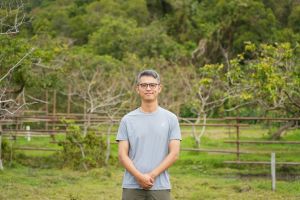
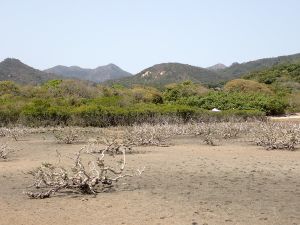
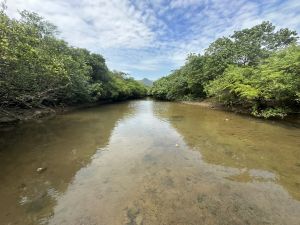
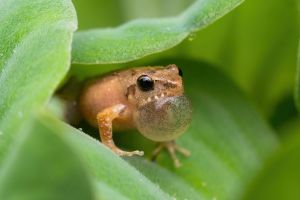
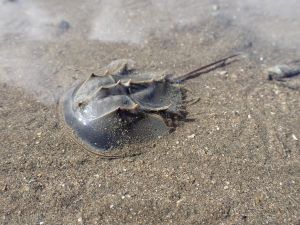
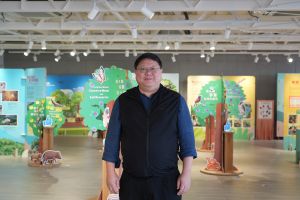
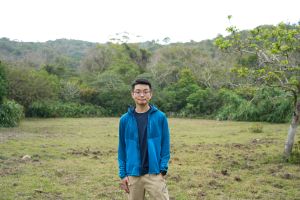
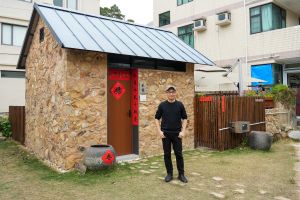
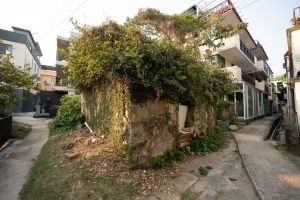
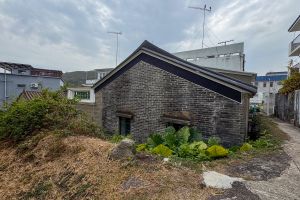
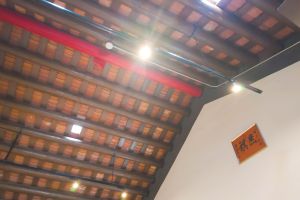
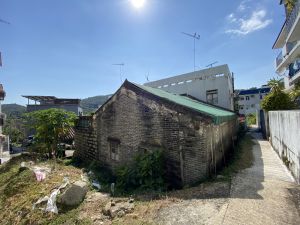
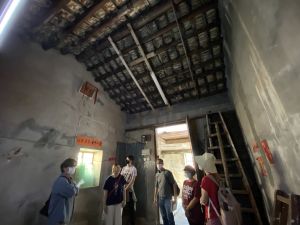
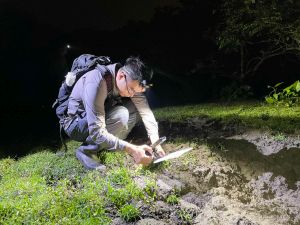
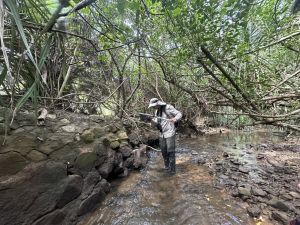
The Government has always attached great importance to conservation, with the $1 billion Lantau Conservation Fund (LCF) established in 2020 to support the implementation of various conservation projects and raise community awareness of conservation on Lantau Island. Shui Hau Village on Lantau Island is a notable example of how the LCF provides financial support to different short-term projects to effectively take forward conservation and revitalisation initiatives, with a view to fostering the recovery and natural regulation of the ecosystem. This time, I have invited colleagues from the Civil Engineering and Development Department (CEDD) and the Agriculture, Fisheries and Conservation Department (AFCD), along with experts, to share the conservation achievements in Shui Hau. Seamless transition between terrestrial and marine habitats underpins Shui Hau’s unique and precious ecological value Mr MAK Chi-fung, Conservation Officer (South and Sustainable Lantau) of the CEDD, explains that conservation efforts are tailored to different natural habitats, including both long-term support measures and short-term projects targeted at addressing specific issues to improve the ecosystem for the restoration of its natural functioning ability. Take Shui Hau Village on Lantau Island as an example. With a rich cultural and historical background, this historic village was designated as one of the three Priority Conservation Sites in the early days of the LCF due to its high ecological value. In the past, villagers of Shui Hau made a living by farming. Although local farmlands were gradually abandoned following the decline of rice cultivation in the 1960s and 1970s, the area around Shui Hau has retained its unique and valuable natural environment. Its most distinctive ecological feature is the seamless transition between terrestrial and marine habitats. Terrestrial habitats include woodlands, natural streams, freshwater marshes and backshore shrublands, supporting mangroves along the shoreline and a unique sandflat. These diverse habitats foster rich biodiversity, including various rare species such as Romer’s Tree Frogs and horseshoe crabs. However, Shui Hau’s wetlands have been degrading over the past 20 years. According to an ecological study completed in 2021, the habitats in Shui Hau have been facing varying degrees of threats, such as drying up of wetlands and invasion of alien species. Therefore, the CEDD has funded non-governmental organisations through the LCF to carry out restoration and conservation work. These efforts include weeding and removing invasive wetland shrubs and other invasive species to enhance the wetlands. Meanwhile, relevant irrigation facilities have been upgraded, such as laying pipes and constructing ditches and ponds to divert stream water into the wetlands. These measures have protected and further enhanced Shui Hau’s ecological functions, thereby promoting its natural development. LCF allocates over $160 million to support the implementation of about 60 conservation and related projects Professor Kenneth LEUNG Mei-yee, Chairperson of the LCF Advisory Committee and Associate Dean of the College of Science, City University of Hong Kong, says that since the LCF’s establishment, a total funding of over $160 million has been approved to support the implementation of about 60 conservation and related projects. Among these are two conservation management agreement projects targeting Shui Hau and 19 scientific research or educational projects covering Shui Hau. These projects have effectively promoted ecological conservation initiatives and enhanced community participation, establishing a solid foundation for Shui Hau’s natural ecological development. Funded conservation management agreement project: Engaging villagers to restore and improve degraded wetlands Mr MAK mentions that projects under the LCF focus on the conservation of Shui Hau’s rural ecological environment from various aspects, including ecological conservation, village revitalisation and community education. The Government has provided financial support for the implementation of a nature conservation management agreement project in Shui Hau from 2021 to 2026. In collaboration with Shui Hau Village, the project combines scientific research, habitat revitalisation and community engagement to restore and improve the degrading marsh habitats and test various habitat management approaches, providing valuable experience for the future implementation of similar conservation initiatives. The project, to be completed this month, serves as a good example, with its outcomes laying a solid foundation for the conservation of Shui Hau’s wetlands. Professor Kenneth LEUNG emphasises that the Government will continuously monitor the Shui Hau ecosystem to ensure the natural development of its valuable ecological environment and, when necessary in future, to leverage the flexibility offered by short-term projects under the LCF to support the relevant habitats. The implementation of the Shui Hau conservation project has significantly improved the ecology and raised villagers’ awareness Mr LAU Yin-pong, Nature Conservation Officer of the AFCD, says that Shui Hau is worth conserving, whether in terms of its habitat diversity or biodiversity. He adds that Shui Hau is not only home to water buffaloes and various egrets but also a habitat and a breeding ground for many different amphibians, butterflies and dragonflies, as well as protected bird species, while diadromous fish species can be observed in the streams. Professor Kenneth LEUNG says that approximately 1.5 hectares of diverse wetlands in Shui Hau have been restored, significantly improving the ecological condition and enhancing overall biodiversity. The management and community collaboration experience accumulated over the past few years has helped maintain the stability of the wetland ecosystem. The project has also fostered villagers’ participation in and recognition of wetland conservation, further forging community consensus. Funded conservation management agreement project: Revitalising the village and historic buildings Additionally, the Government has funded a rural revitalisation scheme in Shui Hau from 2022 to 2026. Through close collaboration with villagers, the projects under the scheme are dedicated to conserving and revitalising Shui Hau’s built and cultural heritage to promote urban-rural revitalisation, including the restoration of the village house at No. 49 Shui Hau, a Grade 3 historic building, and an old grain store once used for storing farming tools, grains, straw, etc., so as to recreate the farming activities and lifestyle of the past. Professor Thomas CHUNG Wang-leung, Professor of the School of Architecture at The Chinese University of Hong Kong and Director of the Centre for Sustainable Placemaking and Urban-rural Regeneration (SPUR), has received financial support from the LCF to implement a village revitalisation project in Shui Hau. He says that the research team is committed to preserving fading customs, folk songs and local stories through community engagement. These rituals and folklore have profound significance for villagers’ sense of identity and are showcased during the restoration and revitalisation process. Professor CHUNG also mentions that besides architectural restoration, the project places emphasis on cultural conservation, documenting the history and traditions about the integration of the local Wai Tau and Hakka communities. The restored spaces have become venues for workshops and guided tours to promote agricultural revitalisation and the learning and practice of traditional crafts. The project has raised the awareness of cultural conservation among villagers and the general public, enabling local traditions to be preserved and shared in modern society. As Professor Kenneth LEUNG says, various projects under the LCF have created synergy and thus enhanced the overall conservation effectiveness. I am delighted to see that the Shui Hau ecosystem has been significantly restored, providing a robust foundation for natural ecological regulation. |
|
8 March, 2026
Back